Handheld console · 2001
Game Boy Advance
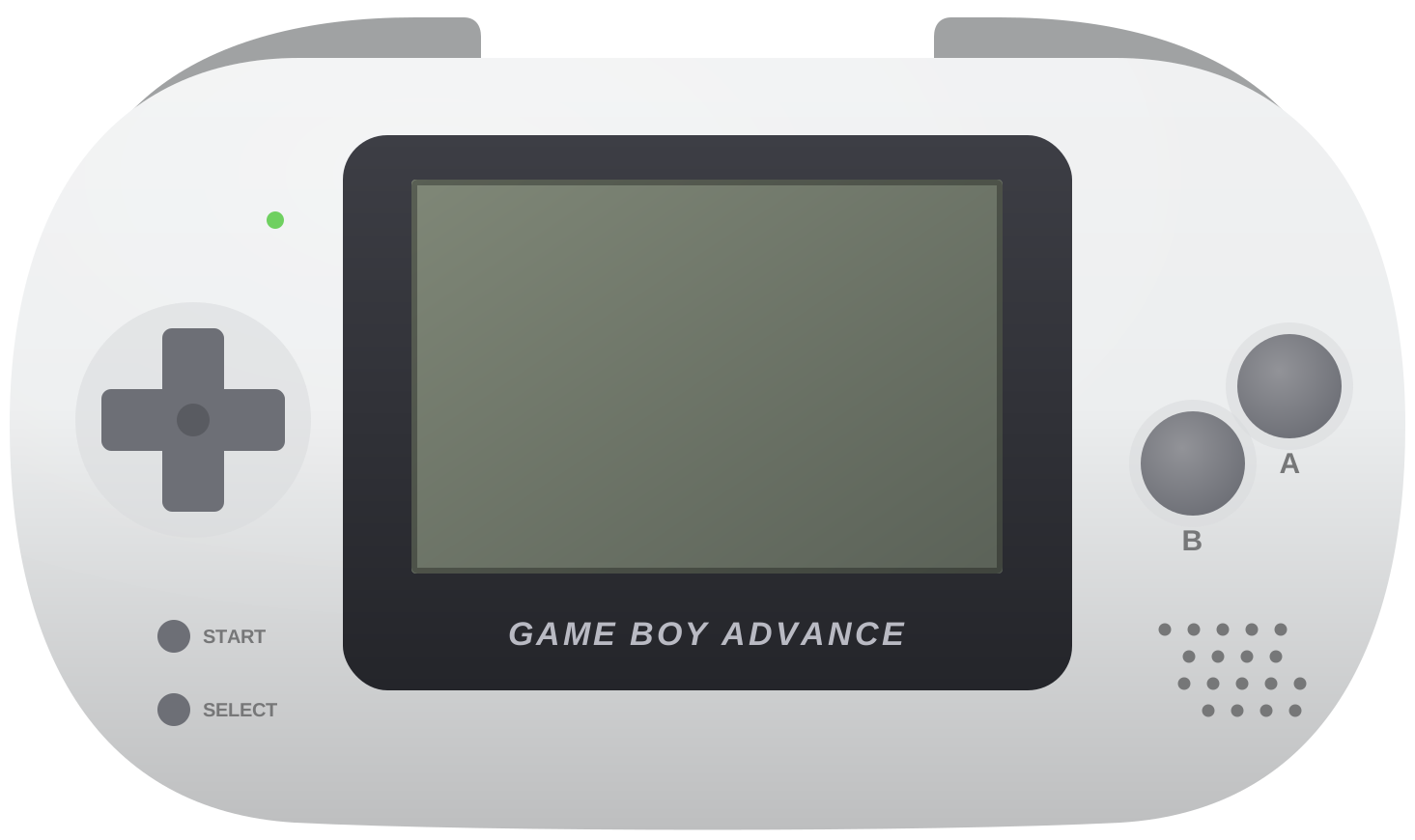
Nintendo's 32-bit successor to the Game Boy Color, and the first Game Boy held sideways. It kept compatibility with both earlier Game Boy libraries.
- Introduced
- Not yet documented
- Model
- AGB-001
Finishes
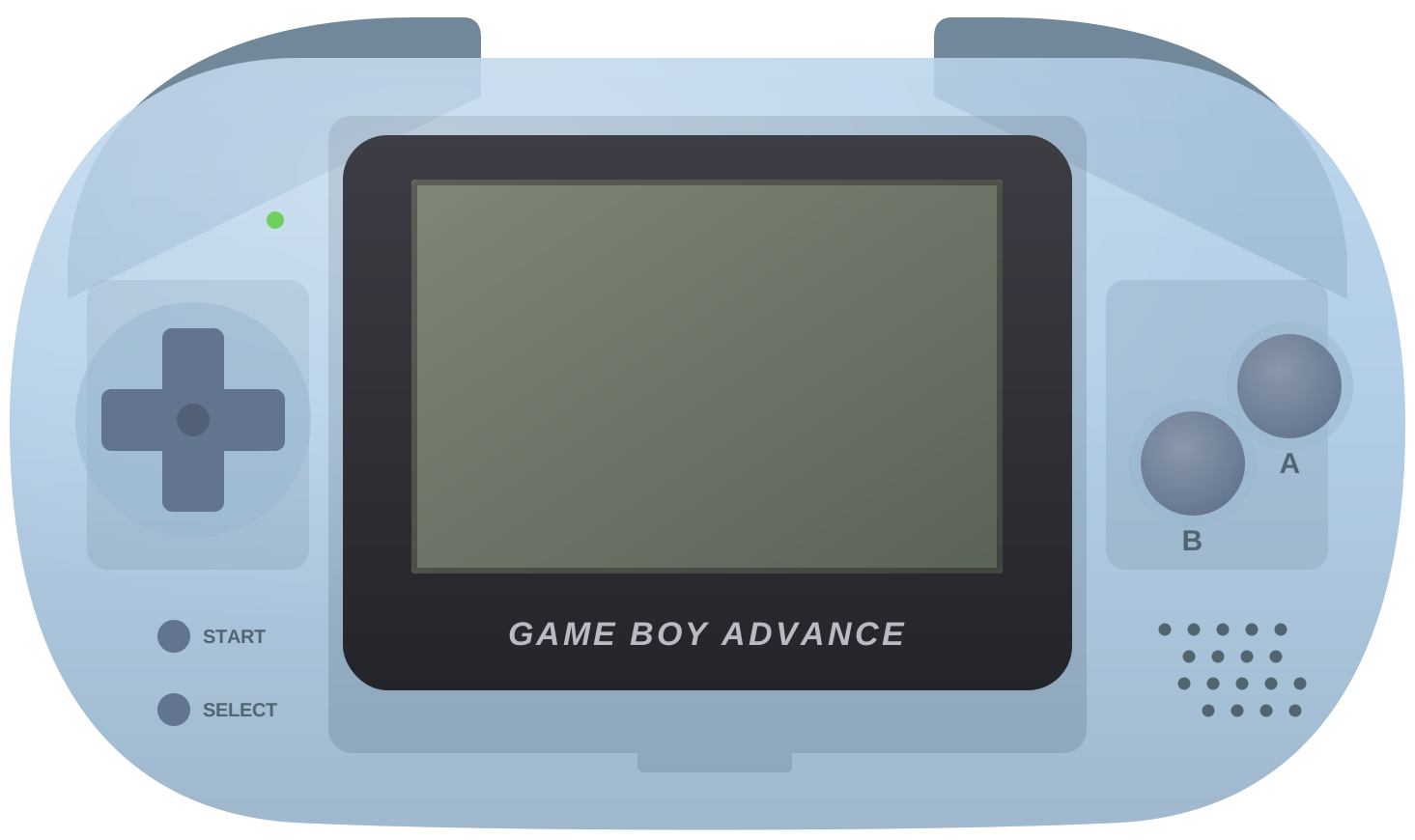
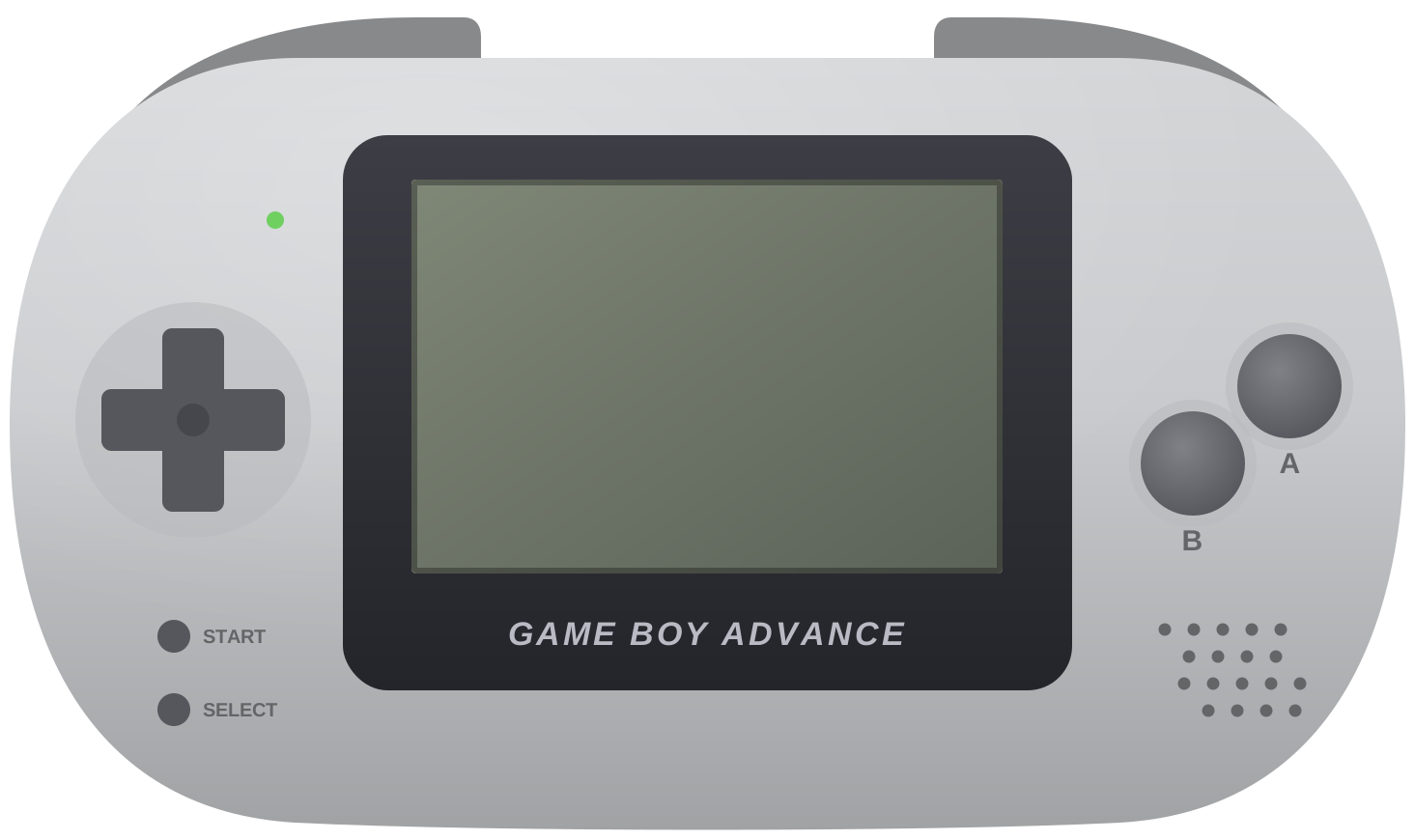
Specifications
Record
- Manufacturer
- Nintendo
- Family
- Game Boy
- Category
- Handheld console
- Generation
- Sixth generation
- Released
- 21 March 2001 — Japan
- 11 June 2001 — North America
- 22 June 2001 — Europe
- Discontinued
- Not yet documented
- Model numbers
- AGB-001
Processor
- CPU
- 32-bit ARM7TDMI at 16.78 MHz
- Compatibility core
- 8-bit Z80-derived processor for Game Boy and Game Boy Color software
Memory
- Work RAM
- 32 KB internal
- 256 KB external
- Video RAM
- 96 KB
Display
- Type
- Reflective TFT LCD, no front or back light
- Size
- 2.9-inch diagonal
- Resolution
- 240 × 160 pixels
- Colors
- 32,768 (15-bit)
Media
- Format
- Game Boy Advance Game Pak
- Backward compatibility
- Game Boy and Game Boy Color Game Paks
Controls
- Buttons
- Control pad, A, B, L, R, Start, Select
Power
- Source
- Two AA batteries
- Battery life
- About 15 hours
Connectivity
- Link
- External extension connector for the Game Link cable
- Audio
- Headphone jack
Physical
- Dimensions
- 144.5 × 82 × 24.5 mm
- Weight
- About 140 g without batteries
History
The first Game Boy with a horizontal layout and the first with L and R shoulder buttons.
The unlit screen was hard to see in dim rooms. The folding Game Boy Advance SP added a front light in 2003.
Nintendo reports 81.51 million units sold across the Game Boy Advance family, which includes the SP and the Game Boy Micro.
Lineage
The Game Boy familyAbout this entry
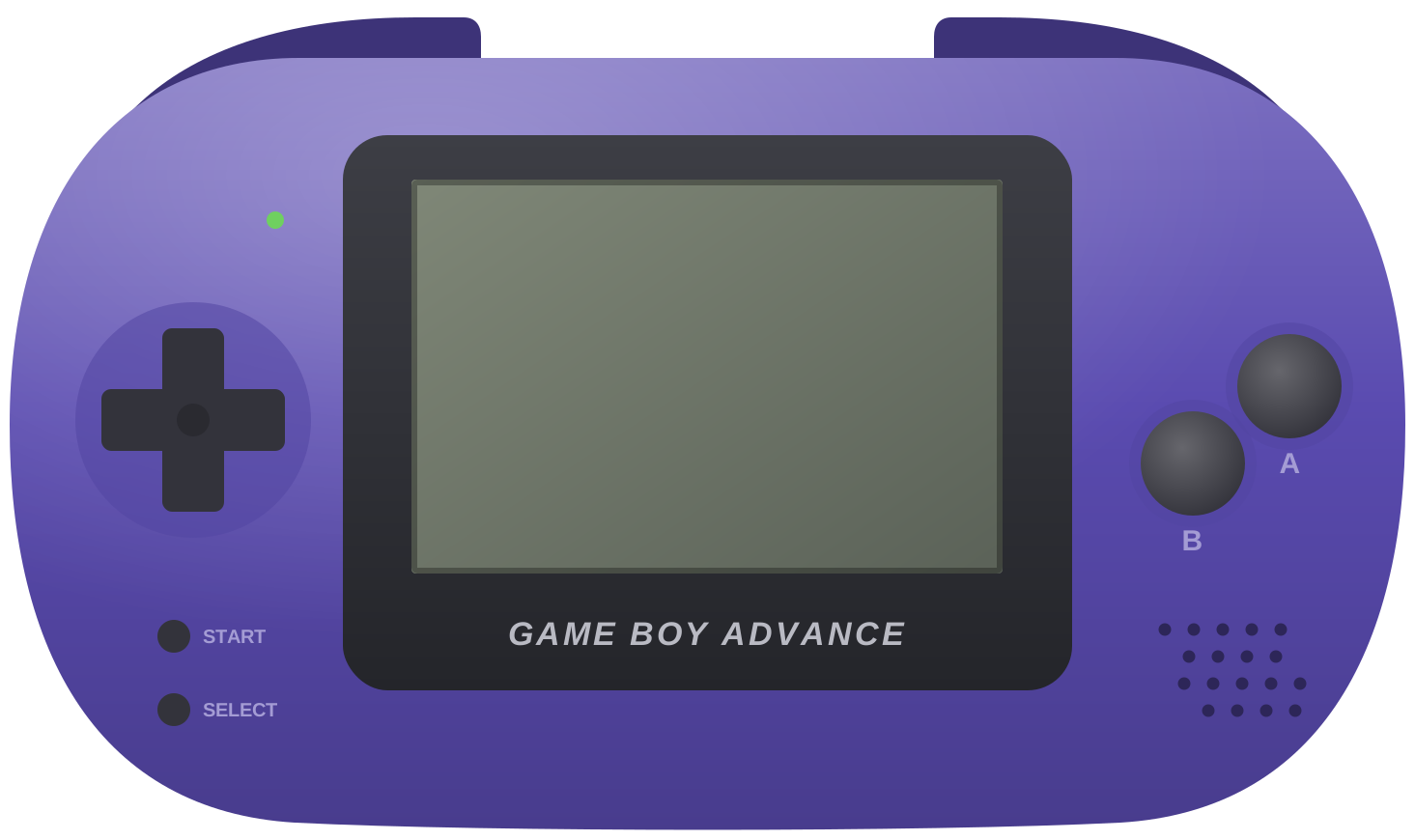
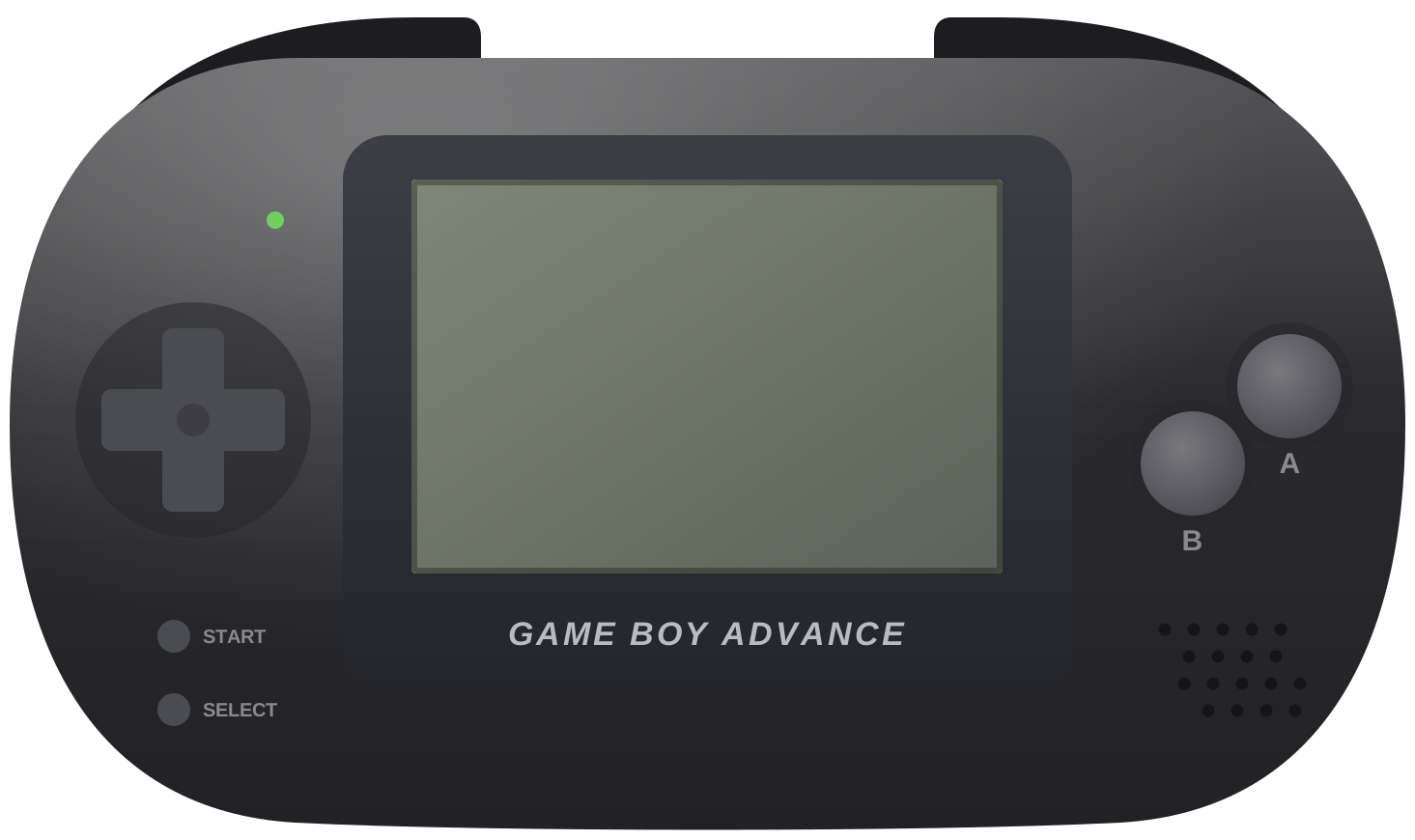
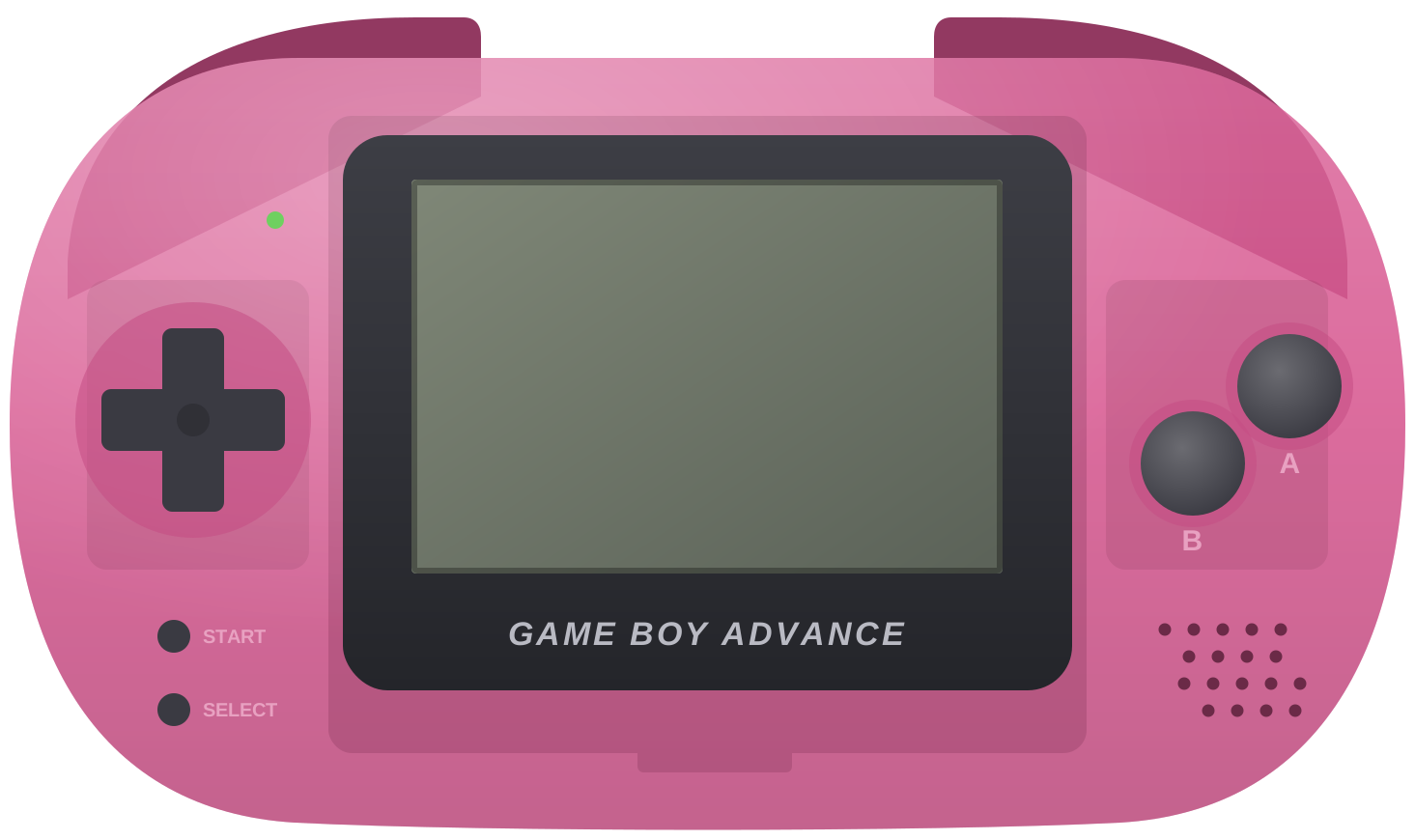
Finish names follow the North American releases. Japanese and European color names, release dates for individual colors, and the many special editions have not been catalogued yet.
Sources: Nintendo, dedicated video game sales units.